The White Sands Missile Range Museum unveiled a Standard Missile 6 display on Nov. 13. Officials said the ship-launched air defense missile has taken on additional missions and is now a joint weapon.
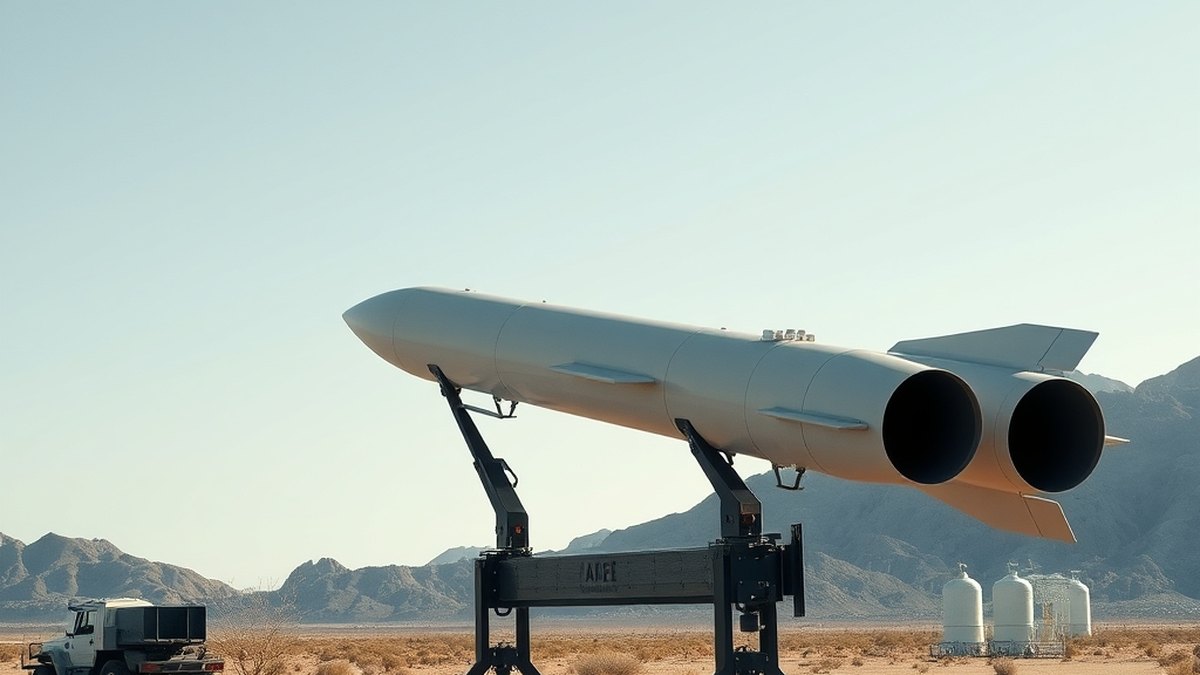
The White Sands Missile Range Museum unveiled a Standard Missile 6 (SM-6) display at its outdoor Missile Park on Nov. 13, where officials described how the missile moved beyond its original ship-launched air defense role.
Key facts
- Event SM-6 display unveiling, Nov. 13
- Location White Sands Missile Range Museum Missile Park
- Host NSWC White Sands Detachment
- Missile Two-stage, solid-fuel SM-6
- Museum 15 exhibits, 145 artifacts and exhibit support items
The ribbon-cutting was hosted by the Naval Surface Warfare Center White Sands Detachment. Patrick Curran, chief of staff at White Sands Missile Range, described the two-stage, solid-fuel missile as "now a truly joint munition."
Michael Ladner, who managed the SM-6 program during early development and testing, said the initial focus was integrating the new missile into a canister, a launcher and the combat system. He is now deputy technical director at the Naval Surface Warfare Center's Port Hueneme Division. He discussed how the missile evolved as it was integrated into the Naval Integrated Fire Control–Counter Air network, known as NIFC-CA, and said the program over time leveraged the missile's inherent capability and hardware to bring on new missions.
Capt. Thomas Seigenthaler, major program manager for the Navy's Standard Missile Program Office, also spoke. Raytheon was represented by Courtney Heath, its SM-6 program manager.
About the White Sands Missile Range Museum
The museum reopened in 2023 after renovations. It has 15 exhibits covering subjects from the range's natural history to instrumentation and test support, and its 4,000-square-foot space holds 145 artifacts and exhibit support items.
Frequently asked questions
What was unveiled at the White Sands Missile Range Museum?
The museum unveiled a Standard Missile 6 (SM-6) display at its outdoor Missile Park on Nov. 13, as a historical artifact.
How did the SM-6 evolve?
Speakers said it was designed for ship-launched air defense and came to serve additional missions. Ladner said the program leveraged its capability and hardware for new missions, and Curran called it a truly joint munition.
Sources: Defence Industry Europe.
AI-assisted: drafted with AI from the sources above and reviewed by an editor.