
NATO Secretary General Mark Rutte said the alliance will defend against threats in space after German media reported intelligence that Russia may launch a nuclear-armed satellite. Moscow rejected the reports.
NATO Secretary General Mark Rutte said the alliance will defend against any threat in space after German media reported that Russia is preparing to launch a nuclear-armed satellite. Russia has dismissed the reports.
The numbers
- Who NATO Secretary General Mark Rutte
- Reported threat Russian nuclear-armed satellite "Sputnik-S"
- Reported timing Possible launch within 60 days
- Source of reports NDR, WDR, Sueddeutsche Zeitung
- Russian response Rejected; embassy called it propaganda
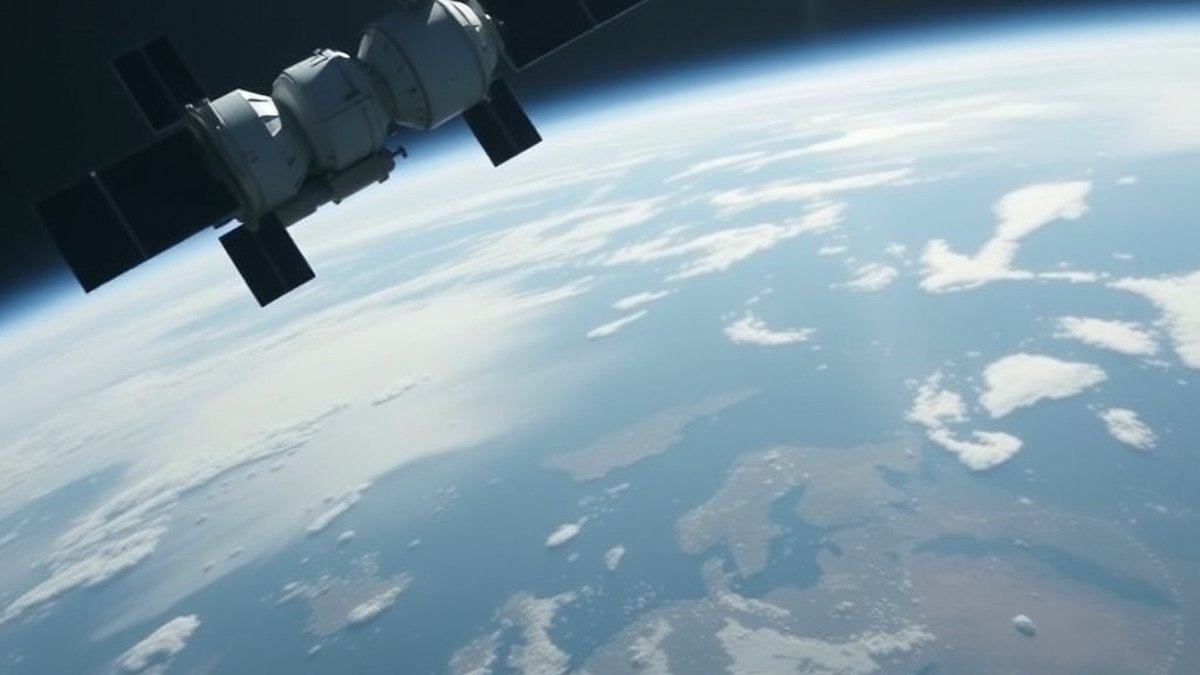
The broadcasters NDR and WDR and the newspaper Sueddeutsche Zeitung, citing anonymous German military and intelligence sources, reported that intelligence shared among NATO countries this month pointed to a possible launch within 60 days. It was not clear which country wrote the reports. The satellite was reportedly called "Sputnik-S" and was equipped with a nuclear warhead, and could be used to disrupt or destroy other satellites, including communication and observation satellites.
Speaking at a press conference in Berlin, Rutte said NATO would defend "every inch" of its territory, including in space. He said the alliance has a variety of response options and will assess its deterrence and defense and update them where necessary.
German Chancellor Friedrich Merz neither confirmed nor denied the reports, but said they show the level of escalation Russia is evidently prepared to pursue. A German government spokesman also gave no confirmation and urged against excessive nervousness over hypothetical dangers.
Claims and responses on the Russian satellite reports
Kremlin spokesman Dmitry Peskov said he had not seen the latest reports and called reports citing unknown sources hardly worth taking seriously. The Russian embassy in Berlin rejected what it called unfounded allegations and described them as a propaganda campaign.
European Space Agency head Josef Aschbacher, as reported by Handelsblatt, called nuclear weapons in space the ultimate nightmare scenario.
Background: Outer Space Treaty and earlier US claims
Russia is a signatory to the 1967 Outer Space Treaty, which bans weapons of mass destruction in orbit. In 2024 the US claimed Russia was developing a space-based anti-satellite weapon with a nuclear warhead; Russia denied it, and President Vladimir Putin said Moscow opposes deploying nuclear weapons in space.
Frequently asked questions
What did NATO's Rutte say about the Russian nuclear satellite reports?
Rutte said NATO will defend every inch of its territory, including in space, and will assess and update deterrence and defense where necessary.
Has Russia confirmed plans for a nuclear satellite?
No. The Kremlin called the reports hardly worth taking seriously, and the Russian embassy in Berlin called them unfounded allegations and propaganda.
What does the Outer Space Treaty ban?
The 1967 Outer Space Treaty, which Russia has signed, bans weapons of mass destruction from orbit.
Sources: BBC News World.
AI-assisted: drafted with AI from the sources above and reviewed by an editor.