The Royal Navy has commissioned the 1st Autonomous Squadron at Portsmouth, a unit of about 180 personnel that will operate uncrewed surface vessels on front-line operations as part of a £1.5bn hybrid navy plan.
The Royal Navy has commissioned its first autonomous squadron, the 1st Autonomous Squadron, at His Majesty's Naval Base Portsmouth, creating a unit that will operate uncrewed surface vessels on front-line operations. The ceremony took place on November 5 before more than 200 personnel, officials, families and guests.
Key facts
- Unit 1st Autonomous Squadron, Royal Navy
- Commissioned November 5, HMNB Portsmouth
- Personnel Around 180, in two watches
- Initial vessels Rattler training vessels and Kraken K3 Scout boats
- Funding £1.5bn over four years for the hybrid navy
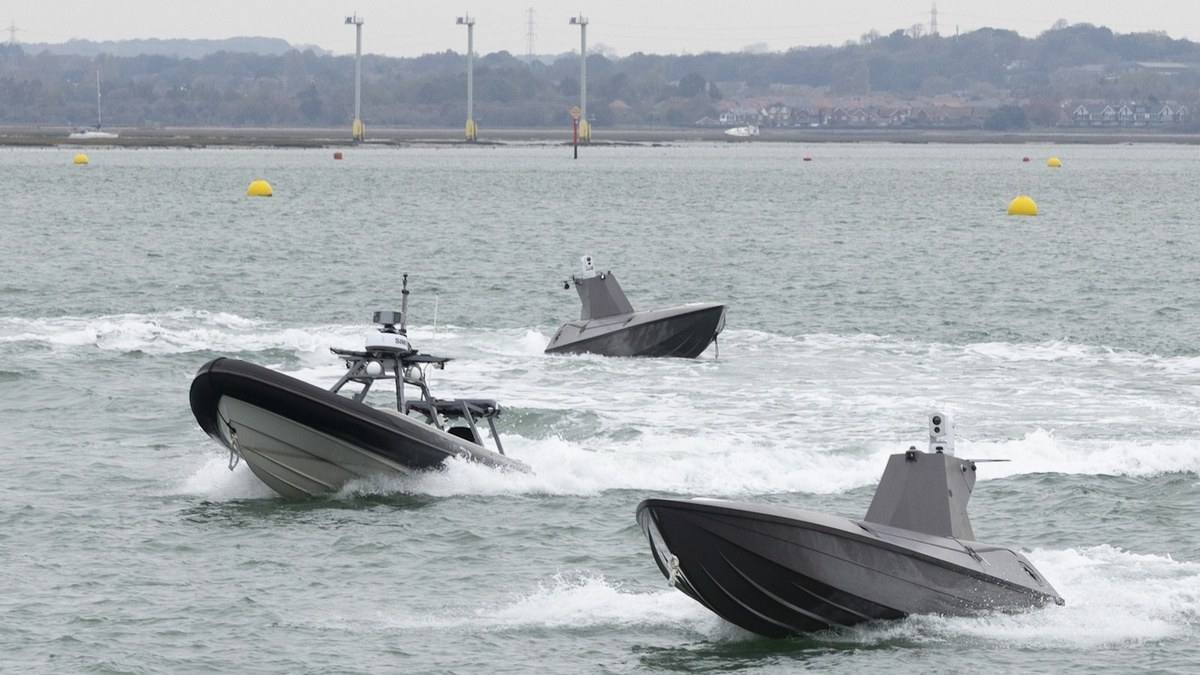
The event included a demonstration of the Kraken and Rattler vessels, which were maneuvered around Portsmouth Harbour from a control hub. According to the Royal Navy, the squadron has around 180 personnel, the same number as a Type 23 frigate, split into two watches to sustain round-the-clock operations.
The squadron replaces Project Beehive, the navy's initial programme to buy autonomous boats as a proving ground for hybrid navy technologies. It will operate single vessels and boats within task groups alongside other organizations and allied nations, and will help bring new uncrewed vessels into the fleet.
Kraken and Rattler vessels in the squadron
According to UK Defence Journal, the squadron will initially operate Rattler training vessels and Kraken K3 Scout boats. The Kraken K3 Scouts are 8.5 meters long, weigh 2.5 tonnes, reach 55 knots and carry a 400kg payload. Their range is 600 miles, extendable to 1,100 miles.
The navy took delivery of 20 Kraken boats under Project Beehive in April for use by 47 Commando Royal Marines, the same report said. It added that Beehive is part of Britain's contribution to the Strait of Hormuz mission.
Hybrid navy and Capability Accelerator hub
Defence Secretary Wes Streeting said the investment strengthens warfighting readiness and deterrence. Fleet Commander Vice-Admiral Steve Moorhouse said the hybrid navy would give the fleet more reach, striking power and options, with people remaining at its heart.
The Capability Accelerator, set up in 2025 and partly funded by UK Defence Innovation, has opened a hub at Portsmouth. The squadron will work with it, Navy Develop and the Disruptive Capabilities and Technologies Office. Naval Technology noted the launch follows mid-October trials of Nyan Maritime one-way drones from HMS Queen Elizabeth, and comes ahead of the Atlantic Future Forum and International Sea Power Conference in Oslo.
Quick answers
What is the Royal Navy's 1st Autonomous Squadron?
It is the navy's first squadron to operate uncrewed surface vessels on front-line operations. Based in Portsmouth, it has about 180 personnel and was commissioned on November 5.
What boats will the 1st Autonomous Squadron operate?
It will initially operate Kraken K3 Scout boats and Rattler training vessels, according to UK Defence Journal. More uncrewed vessels are to be brought into the fleet.
How much is the Royal Navy investing in its hybrid navy?
The Royal Navy says the hybrid navy is backed by £1.5bn of investment over four years.
Sources: Naval News, Naval Technology, UK Defence Journal.
AI-assisted: drafted with AI from the sources above and reviewed by an editor.