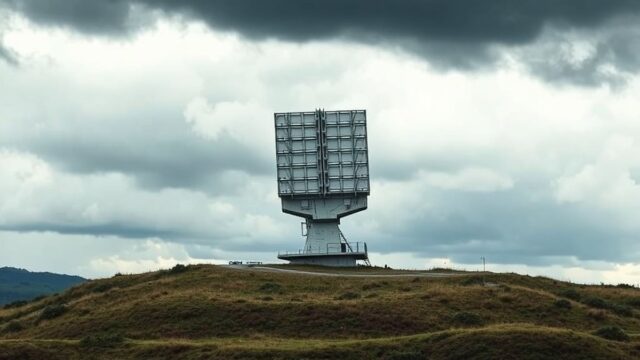
NATO defence ministers endorsed a Next Generation Communication Networks Strategy in June 2026. The alliance is now drawing up a roadmap to implement it, with security and untrusted vendors a central concern.
NATO defence ministers endorsed the Next Generation Communication Networks Strategy in June 2026, and work is now under way on a roadmap to implement it, the alliance said.
The numbers
- Strategy Next Generation Communication Networks Strategy
- Endorsed by NATO defence ministers
- When June 2026
- Next step Implementation roadmap under way
- Test venue NGCN Innovation Range
- Range co-leads Finland and Sweden
NATO said such networks could help combine counter-drone systems and sensors and improve AI-based command and situational awareness. It described them as essential to its digital transformation and to operations across multiple domains.
The alliance said security is a central concern, including the risks posed by untrusted vendors. It said malicious cyber actors, including state and state-sponsored groups, increasingly try to exploit users' trust in technology providers, products and processes.
The strategy links communications advances with work on AI and quantum technologies. NATO said these would help strengthen communications capability, security, resilience and independence, supporting information superiority at strategic and tactical levels.
Industry testing through the NGCN Innovation Range
Companies can test next-generation network technologies in an operational environment through NATO's NGCN Innovation Range, which is co-led by Finland and Sweden. The range supports the strategy's aim of speeding up testing, adoption and integration through cooperation with industry.
NATO lists next-generation communications as a priority technology with civilian and defence applications. The strategy is intended to strengthen the networks' role in the alliance's deterrence and defence.
Frequently asked questions
What is NATO's Next Generation Communication Networks Strategy?
It is a strategy endorsed by defence ministers in June 2026, intended to strengthen the role of next-generation communications networks in the alliance's deterrence and defence. It links them with AI and quantum technologies and addresses security risks.
What is the NGCN Innovation Range?
It is NATO's NGCN Innovation Range, co-led by Finland and Sweden, where industry can test next-generation network technologies in an operational environment.
Sources: Defence Industry Europe.
AI-assisted: drafted with AI from the sources above and reviewed by an editor.