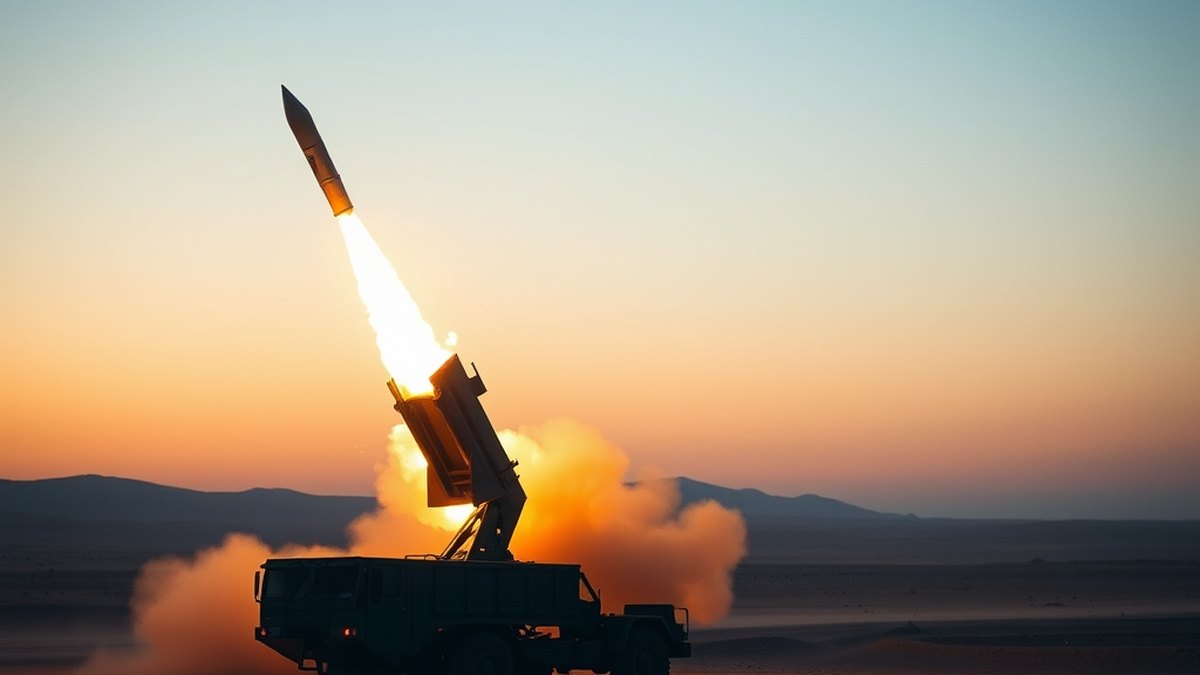
United Launch Alliance's Vulcan rocket suffered an anomaly about 10 minutes after liftoff on Sunday, destroying 40 Amazon LEO satellites. Breaking Defense reports the failure adds to concerns over Space Force launch capacity.
United Launch Alliance's Vulcan rocket failed to reach orbit on Sunday after an anomaly about 10 minutes after liftoff, destroying 40 satellites for Amazon LEO's planned broadband network, Breaking Defense reported.
What we know
- What Vulcan anomaly about 10 minutes after liftoff
- When Sunday
- Payload lost 40 Amazon LEO satellites
- Cause Not publicly announced by ULA
- Reported by Breaking Defense
The failure is likely to trigger a lengthy investigation that could ground Vulcan for months, according to the report. That would further limit the US rockets available for national security and commercial customers. The mission carried a commercial payload but was meant as a step toward Vulcan's return to the Space Force's National Security Space Launch program.
ULA has not publicly named a cause. Ars Technica reported the problem appeared to be in the booster stage. If the BE-4 engines were involved, the failure could affect Blue Origin's New Glenn, which uses the same engines.
Impact on Space Force launch options
Aside from Vulcan, only SpaceX's Falcon 9 and Falcon Heavy are currently authorized to carry critical payloads under NSSL Phase 3 Lane 2, as New Glenn remains grounded after a launch pad explosion in May. The Space Force grounded Vulcan in late February over solid rocket booster problems and, by Oct. 1, had reassigned six NSSL missions to SpaceX.
Clayton Swope of the Center for Strategic and International Studies said the launch bottleneck is real and set to get worse. SpaceX plans to move its own launches to Starship around 2030 and stopped taking commercial Falcon orders beyond 2028 in September.
Frequently asked questions
What happened to the Vulcan rocket launch?
Vulcan suffered an anomaly about 10 minutes after liftoff on Sunday and did not reach orbit, destroying 40 Amazon LEO satellites. ULA has not announced a cause.
Which rockets are authorized for Space Force NSSL Phase 3 Lane 2 missions?
Aside from Vulcan, only SpaceX's Falcon 9 and Falcon Heavy are currently authorized to carry critical payloads under NSSL Phase 3 Lane 2. Blue Origin's New Glenn remains grounded after a May launch pad explosion.
Sources: Breaking Defense.
AI-assisted: drafted with AI from the sources above and reviewed by an editor.