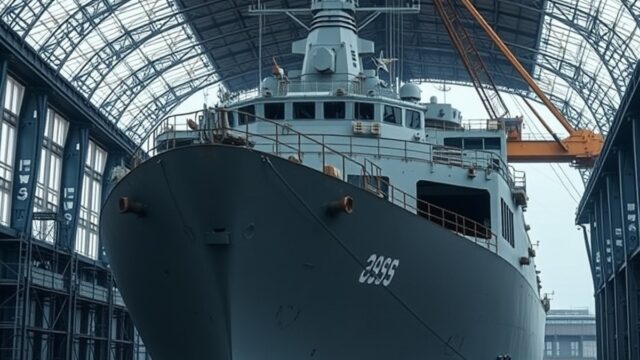

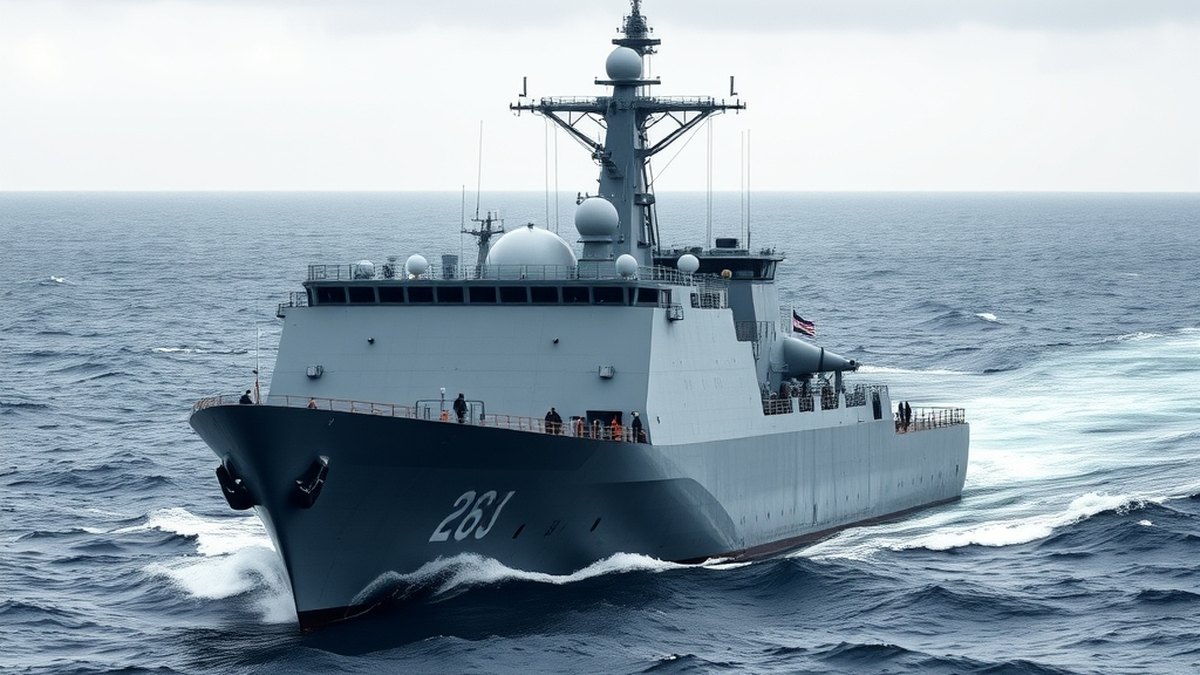
Aboard the destroyer Sendai, crew describe a warship still ready for combat after more than 30 years as Japan prepares to hand the first of its Abukuma-class destroyers to the Philippines, likely its first transfer of lethal equipment under April’s revised export rules.
The Japan Maritime Self-Defense Force destroyer Sendai, docked at Maizuru on the Sea of Japan, belongs to the aging Abukuma class that Japan plans to transfer to the Philippine Navy, Kyodo reported. Defense Minister Shinjiro Koizumi and Philippine counterpart Gilberto Teodoro agreed in Manila on October 28 to transfer the first ship as soon as possible after its decommissioning. The Philippines said in July it had reached a broad agreement to receive five of the six ships.
The numbers
- Class Six Abukuma-class destroyers, in service 1989–1993
- Planned transfer Five ships to the Philippine Navy
- First delivery After decommissioning, in a few years
- Sendai Commissioned March 1991
- Size 109 meters, 2,000 tons standard displacement
- Crew About 120
When the first ship is delivered in a few years, it could become Japan’s first transfer of lethal equipment since a sweeping overhaul of its arms export rules in April. Under the revised “three principles on transfer of defense equipment and technology,” transfers of weapons, including destroyers and missiles, are limited to countries that have signed agreements with Japan on protecting classified defense information. Japan will also dispatch officials to help recipient militaries maintain the equipment.
Inside the Sendai
Although less advanced in combat capabilities than Japan’s newer destroyers, the six Abukuma-class ships are expected to play a significant role in maritime surveillance, given their strength in anti-ship and anti-submarine warfare.
The Sendai carries triple short torpedo tubes on both sides of the deck and an anti-submarine rocket launcher housing eight torpedoes. “When a conflict is anticipated, we prepare in advance, so once a request for fire comes in, we are already ready to launch quickly,” said Chief Petty Officer Yasuhiro Asano, the ship’s torpedo master chief. Its other armament includes a bow-mounted main gun that can fire around 100 rounds per minute, a Harpoon anti-ship missile system and a second gun for close-in threats, along with a fire control radar and other air and surface search radars.
The ship has a crew of around 120, and voyages can last up to two months.
Training, maintenance and next steps
At the October 28 meeting, Koizumi told Teodoro that Japan will provide the Philippine Navy with the necessary education and training before the transfer and will cooperate closely on maintenance, according to the Japanese Defense Ministry. Koizumi has also said Japan will promote talks on possibly transferring surface-to-air missiles to the Philippines.
Strengthening maritime patrol capability is an urgent issue for the Philippines, this year’s chair of the Association of Southeast Asian Nations, as it seeks to prevent China from consolidating its de facto control of Scarborough Shoal.
Frequently asked questions
Is Japan transferring destroyers to the Philippines?
Yes. Japan’s and the Philippines’ defense ministers agreed in Manila on October 28 to transfer the first Abukuma-class destroyer as soon as possible after its decommissioning, and the Philippines has said it expects to receive five of the six ships.
When will the first Abukuma-class destroyer be transferred?
Delivery of the first ship is expected in a few years, after it is decommissioned from the Japan Maritime Self-Defense Force.
What support will Japan give the Philippine Navy?
Japan’s Defense Ministry said Koizumi promised education and training before the transfer and close cooperation on maintenance. Japan will also dispatch officials to help maintain the ships.
Sources: The Mainichi, Naval News.
AI-assisted: drafted with AI from the sources above and reviewed by an editor.